
Why HOA Rules Mean You Need Professional Vehicle Parking This Summer
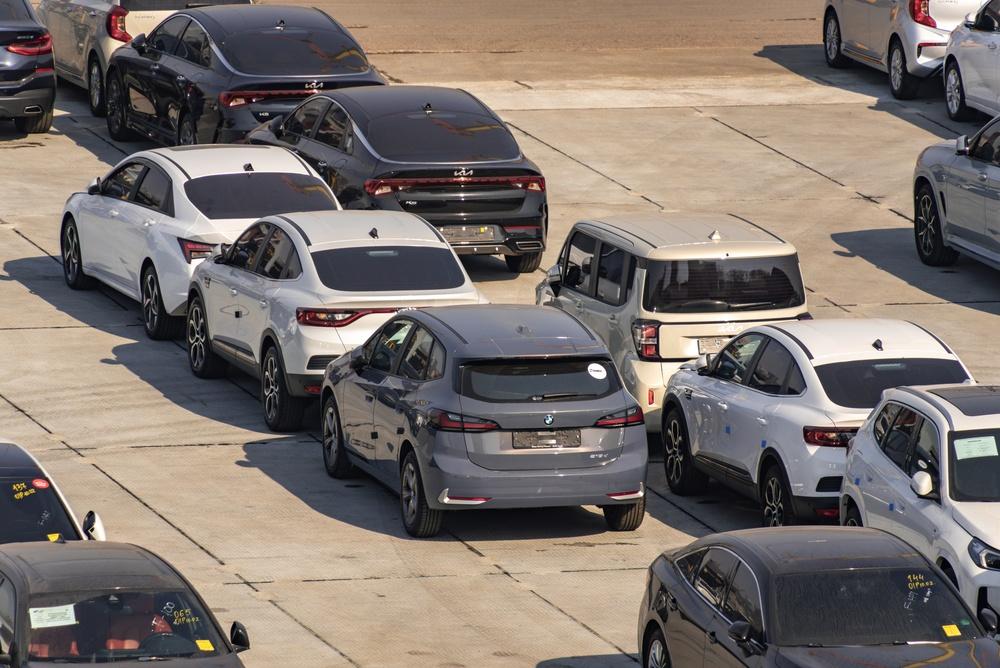
Summer in Largo brings more than beach traffic and backyard gatherings. It also brings more vehicles, more visitors, and more pressure on neighborhood parking. For homeowners living in communities with homeowners associations, finding a place to keep an extra vehicle, seasonal car, or recreational vehicle can quickly become a challenge.
Quick Answer
HOA rules often limit where residents can park extra vehicles, especially during the busy summer months when driveways and guest spaces fill up. Professional vehicle parking offers a secure, rule-friendly solution that helps homeowners avoid violations while protecting their vehicles from Florida’s intense sun, storms, and seasonal wear.
What Local Readers Should Know
- Many HOA communities throughout Largo and Pinellas County restrict overnight street parking, oversized vehicles, or long-term driveway storage.
- Summer travel often means additional family vehicles, boats, or RVs that exceed neighborhood parking limits.
- Florida’s heat, humidity, and sudden thunderstorms can increase wear on vehicles left outdoors for extended periods.
- Nearby communities such as Seminole, Clearwater, Belleair, and Pinellas Park have many neighborhoods with similar HOA parking policies.
- Planning ahead before summer vacations or holiday weekends can help prevent parking headaches and HOA notices.
Why This Matters Locally
Parking challenges become especially noticeable during summer across Largo and surrounding communities. Residents spend more time on the water, take road trips, welcome visiting family members, and prepare boats or recreational vehicles for seasonal use. At the same time, many HOA communities continue enforcing parking regulations designed to maintain neighborhood appearance and emergency access.
Store It All By Largo Rental Closets understands that homeowners often need extra space beyond what their driveway or garage can provide. We help local residents find practical storage solutions that make it easier to comply with neighborhood rules while keeping valuable vehicles protected.
Local Field Observations
Professional field experience shows that summer consistently increases requests for vehicle storage throughout Pinellas County. Many residents contact us after receiving HOA reminders about boats, trailers, extra cars, or recreational vehicles that cannot remain parked outside according to community guidelines. Vacation travel, home renovations, and seasonal visitors all contribute to increased demand during this time of year.
How HOA Rules Affect Vehicle Parking
HOA parking rules are designed to maintain neighborhood appearance, improve safety, and reduce congestion. While each community has its own governing documents, many associations regulate:
- Overnight street parking
- Commercial vehicle parking
- Boat storage
- RV parking
- Trailer parking
- Inoperable vehicles
- Vehicles extending onto sidewalks
- Long-term guest parking
These rules can become especially difficult to manage during summer when households temporarily have more vehicles than available parking spaces.
Local Impact on Homeowners
Parking restrictions affect more than convenience. Residents throughout Largo may face warning letters, fines, or requests to move vehicles within a limited timeframe.
This creates challenges for homeowners who:
- Own seasonal vehicles
- Travel for extended periods
- Have college students returning home
- Welcome extended family during summer
- Purchase new vehicles before selling older ones
- Own boats for Gulf Coast recreation
Professional vehicle parking provides flexibility without forcing homeowners to violate community regulations.
Warning Signs You May Need Professional Vehicle Parking
You may benefit from professional vehicle parking if you notice any of these situations:
- Your HOA has issued parking reminders or violation notices.
- Your driveway cannot safely accommodate all household vehicles.
- You own a boat, trailer, or RV that cannot remain at home.
- Family members are visiting for several weeks during summer.
- You plan to travel and need secure off-site parking.
- Your garage is already used for household storage.
- Street parking is prohibited overnight in your neighborhood.
When to Call a Professional
Professional vehicle parking becomes the better option when neighborhood rules no longer allow safe or compliant parking at home. While homeowners can review HOA documents and monitor available space themselves, professional storage helps eliminate uncertainty when extra vehicles need longer-term accommodations.
This is especially valuable before summer vacations, hurricane season preparations, or extended travel.
Common Local Causes of Parking Problems
Several local factors contribute to increased parking demand throughout the Largo area.
Summer Travel
Families often keep additional vehicles while preparing for vacations or hosting guests.
Recreational Activities
Access to the Gulf of Mexico, nearby marinas, and local boat ramps means many residents own boats, trailers, or personal watercraft that require storage.
Florida Weather
Heavy rain, intense sunlight, and tropical weather can make protected vehicle storage more appealing than leaving valuable vehicles outdoors.
HOA Community Standards
Many neighborhoods throughout Largo, Seminole, Clearwater, and Belleair maintain appearance standards that limit visible vehicle storage.
Prevention and Maintenance Tips
Planning before parking issues develop can save time and reduce stress.
Helpful steps include:
- Review your HOA parking policies before summer begins.
- Schedule vehicle storage before peak vacation periods.
- Remove valuable belongings from stored vehicles.
- Keep insurance and registration current.
- Check tire pressure and battery condition before long-term storage.
- Start vehicles periodically if recommended for your specific vehicle.
Expected Results
Using professional vehicle parking helps homeowners reduce the risk of HOA violations while keeping vehicles in a designated storage location. It also creates additional driveway space, simplifies travel planning, and provides peace of mind during extended absences.
Results vary depending on storage duration and individual vehicle needs, but organized off-site parking generally makes seasonal vehicle management much easier.
Common Mistakes
Mistake: Assuming the HOA will overlook temporary parking during summer.
Consequence: Unexpected warning letters or fines.
Better Approach: Review neighborhood regulations before bringing home extra vehicles.
Mistake: Waiting until the last minute before vacation.
Consequence: Limited storage availability during peak season.
Better Approach: Reserve vehicle parking well in advance.
Mistake: Leaving a valuable vehicle exposed for months.
Consequence: Increased weather-related wear from sun, humidity, and storms.
Better Approach: Consider professional storage for extended parking needs.
Common Local Scenario
A Largo homeowner has relatives visiting for several weeks during summer while preparing their boat for weekend outings. The household temporarily has more vehicles than driveway space, and the HOA prohibits overnight street parking. Rather than risk violations or inconvenience neighbors, the homeowner chooses professional vehicle parking until summer travel concludes.
Related Service Solutions
Professional vehicle parking can support several common storage needs, including:
- Extra family vehicles
- Seasonal cars
- Boats
- Trailers
- Recreational vehicles
- Long-term travel parking
Choosing the right storage solution depends on vehicle size, storage duration, and neighborhood requirements.
Comparing Your Options
| Option | Advantages | Limitations |
|---|---|---|
| Home Driveway | Convenient daily access | Limited by HOA rules and available space |
| Street Parking | May be temporarily available | Often prohibited overnight or long term |
| Friend or Family Property | Low cost | May not meet local restrictions or provide long-term convenience |
| Professional Vehicle Parking | Secure, organized, HOA-friendly alternative | Requires advance planning during busy seasons |
Service Areas
We proudly help customers throughout Largo as well as nearby Seminole, Clearwater, Pinellas Park, Belleair, Indian Rocks Beach, and other communities across Pinellas County. Our convenient location makes seasonal vehicle storage easier for residents throughout the area.
Cost of Ignoring the Issue
Waiting until an HOA notice arrives can create unnecessary stress and limited storage choices during the busiest part of summer. Planning ahead helps homeowners avoid violations while keeping vehicles properly stored until they’re ready to use them again.
Frequently Asked Questions
Do HOA parking rules vary throughout Largo?
Yes. Every HOA establishes its own governing documents, so parking rules can differ significantly between communities. Always review your association’s regulations before storing additional vehicles at home.
Why is professional vehicle parking popular during summer in Pinellas County?
Summer brings vacations, boating season, visiting family members, and extra vehicles. Professional parking provides additional space while helping residents comply with neighborhood parking requirements.
Can I store a seasonal vehicle instead of keeping it at home?
Yes. Professional vehicle storage is often a practical solution for seasonal cars, boats, trailers, and other vehicles that are not used every day.
Are Florida weather conditions hard on parked vehicles?
Yes. Intense sunshine, humidity, heavy rainfall, and seasonal storms can all contribute to exterior and interior wear when vehicles remain outdoors for extended periods.
Should I arrange storage before summer vacations?
Yes. Planning ahead provides more flexibility and helps ensure your vehicle has an appropriate storage location before peak travel periods begin.
Who benefits most from professional vehicle parking in Largo?
Homeowners with HOA restrictions, boat owners, seasonal residents, families hosting summer visitors, and anyone needing temporary off-site parking often benefit from professional vehicle storage.
Closing
Managing HOA parking requirements becomes much easier when you have a reliable place to keep extra vehicles. Whether you’re preparing for vacation, making room for guests, or storing a seasonal vehicle, planning ahead helps you stay compliant while protecting your investment.
Keep Your Summer Parking Simple
Our team is here to help you find a practical vehicle storage solution that fits your needs and your neighborhood requirements.