
Snowbird Storage Checklist: Preparing Your RV, Boat, and Extra Car in Largo Before Heading North
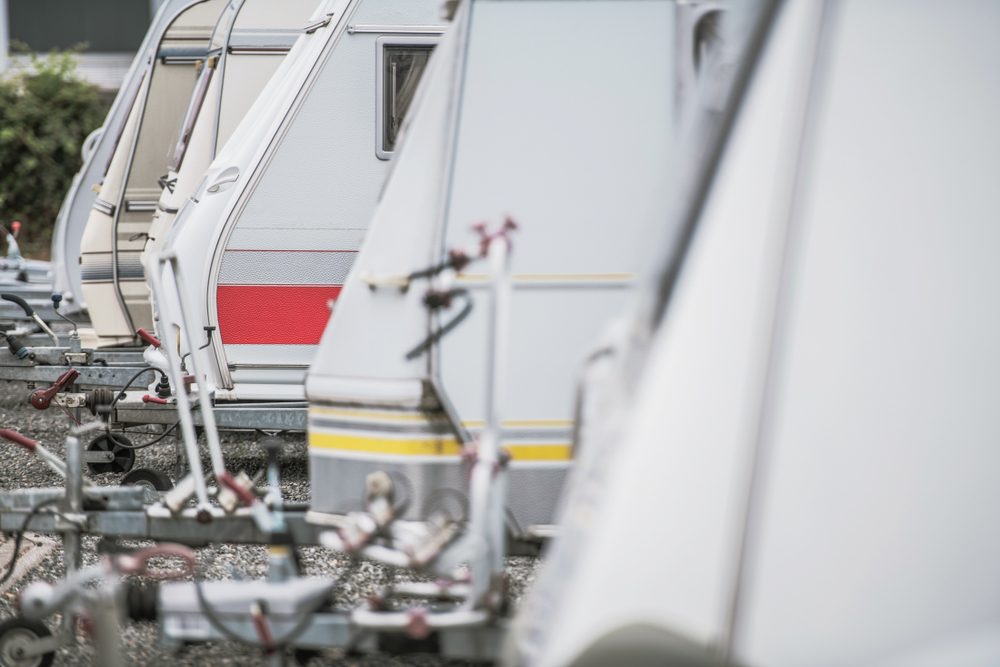
For seasonal residents, leaving Florida for the summer involves more than locking the front door and heading north. An RV, boat, or extra vehicle left behind must be prepared for months of Gulf Coast heat, humidity, heavy rain, and summer storms.
A good storage plan helps Largo snowbirds leave with fewer loose ends and return to vehicles that are easier to put back into service.
What Should Snowbirds Do Before Storing a Vehicle in Largo?
Snowbirds preparing an RV, boat, or extra car for storage in Largo should clean it thoroughly, remove food and valuables, check fluids and tires, address battery needs, protect the interior from moisture, and choose an appropriate storage arrangement. Florida’s long warm season makes moisture, sun exposure, pests, and neglected maintenance especially important considerations.
What local vehicle owners should know
-
Remove food, trash, and other materials that could attract insects or rodents while the vehicle is stored.
-
Pinellas County’s warm, humid conditions make moisture control an important part of long-term storage preparation.
-
Boats should be cleaned and allowed to dry before storage, especially after time on the Gulf or Intracoastal waterways.
-
RV and vehicle batteries need a storage plan rather than simply being ignored for several months.
-
Summer storm preparation matters for seasonal residents leaving vehicles behind during Florida’s wetter months.
Why Does Seasonal Vehicle Storage Matter in Largo?
Seasonal vehicle storage matters in Largo because an unattended vehicle may sit through months of heat, humidity, thunderstorms, and intense sunlight while its owner is hundreds or thousands of miles away. Those conditions can expose small maintenance problems that might not become obvious until the owner returns.
Pinellas County’s coastal setting adds another consideration for boat owners. Salt, moisture, and organic debris should not be left sitting on surfaces for an entire season.
Residents near Belleair, Seminole, Clearwater, Indian Rocks Beach, and other nearby communities face many of the same seasonal concerns.
Store It All By Largo Rental Closets can be part of the planning process for seasonal residents who need additional storage options before heading north. We encourage customers to think beyond simply parking a vehicle and consider what needs to be cleaned, removed, protected, or stored separately first.
What Local Storage Conditions Should Snowbirds Plan For?
Local storage conditions require snowbirds to prepare primarily for prolonged warmth, humidity, rain, pests, and severe summer weather. Rather than relying on a single statistic or assuming every storage location has identical conditions, vehicle owners should prepare for the seasonal environment typical of Florida’s central Gulf Coast.
These are practical local observations rather than claims about conditions inside a particular storage space. Largo’s proximity to Tampa Bay and the Gulf Coast means seasonal storage preparation should account for moisture and heat in ways that may be less significant at a northern summer destination.
The goal is straightforward: do not leave a vehicle in a condition that allows a minor issue to develop unnoticed for several months.
How Can Poor Preparation Affect a Stored RV, Boat, or Car?
Poor preparation can make returning to a stored vehicle more difficult by contributing to dead batteries, tire problems, unpleasant odors, mildew, pest activity, dirty surfaces, or maintenance issues that went unnoticed before departure.
An RV adds plumbing, appliances, seals, fabrics, and multiple storage compartments to the equation. A boat brings its own moisture and marine-maintenance concerns. An extra car may seem simpler, but its battery, tires, fluids, interior, and exterior still need attention.
For snowbirds, the inconvenience is magnified because there may be nobody available locally to catch a developing problem.
What Warning Signs Should You Address Before Storage?
Warning signs should be handled before storage rather than left for your return, particularly when they involve moisture, leaks, electrical problems, pests, tires, or mechanical condition.
Watch for:
-
A weak or slow-starting battery
-
Tires with low pressure, visible cracking, or unusual wear
-
Water stains, damp carpeting, or musty odors
-
Evidence of insects or rodents
-
Fluid leaks beneath a car or RV
-
Cracked or deteriorated RV seals
-
Standing water or persistent moisture in a boat
-
Mechanical warning lights or unresolved maintenance reminders
Finding one of these problems does not necessarily mean the vehicle cannot be stored. It means the issue deserves attention before an extended period of inactivity.
When Should You Call a Professional Before Storing a Vehicle?
A professional should be called when your pre-storage inspection reveals mechanical, electrical, plumbing, water-intrusion, tire, or marine-system problems that cannot be safely handled through routine owner maintenance. Storage preparation should not become a DIY repair project when specialized knowledge or equipment is required.
Owners can generally handle basic cleaning, removing belongings, checking for visible damage, and organizing stored items. A mechanic, RV technician, marine service provider, or other qualified professional may be appropriate when a problem goes beyond those basic checks.
This is especially useful before leaving Largo for several months because arranging repairs from another state can be far more complicated.
What Common Local Conditions Can Cause Storage Problems?
The most common local storage concerns are moisture, heat, sunlight, pests, and storm-season exposure. Each can affect stored vehicles differently depending on how long the vehicle sits and where it is kept.
1. Humidity and moisture: Damp materials and trapped moisture can contribute to odors and mildew inside enclosed spaces.
2. Heat: Florida temperatures can make an enclosed car, RV, or boat cabin extremely warm, which is another reason not to leave sensitive belongings inside unnecessarily.
3. Sun exposure: Exterior surfaces, rubber components, upholstery, and other materials can experience substantial UV exposure when stored outdoors.
4. Pests: Food crumbs and accessible openings can make an unattended vehicle more attractive to insects or rodents.
5. Summer storms: Largo residents leaving for the season should consider how their storage arrangement fits into their broader hurricane and severe-weather planning.
How Should You Prepare an RV, Boat, or Extra Car for Storage?
Proper preparation starts with cleaning, maintenance, moisture control, and removing anything that should not remain inside for months. Complete the work several days before leaving Pinellas County so you have time to address unexpected problems.
For an RV, clean the interior, empty food storage areas, inspect seals, follow manufacturer guidance for plumbing and appliances, check tires, and determine how the battery system should be maintained.
For a boat, remove trash and unnecessary gear, clean and dry the interior, address marine maintenance needs, and follow the manufacturer’s recommendations for the engine, battery, fuel system, and other equipment.
For an extra car, clean the cabin, remove perishables and valuables, check tire pressure and fluids, and follow the vehicle manufacturer’s recommendations for long-term storage and battery care.
Do not improvise with fuel, electrical, battery, or mechanical procedures. Requirements vary by vehicle.
What Results Can Good Storage Preparation Provide?
Good storage preparation can reduce avoidable surprises and make the vehicle’s return to service more manageable. It cannot guarantee that nothing will happen during months of inactivity, but it puts the vehicle in a better starting condition before the owner leaves.
When you return to the Largo area, inspect the vehicle before immediately assuming it is road-ready or water-ready. Check for visible leaks, pest activity, tire changes, battery condition, moisture, unusual odors, and other signs that something changed while you were away.
What Storage Mistakes Should Snowbirds Avoid?
Common storage mistakes usually involve rushing the process, overlooking moisture, or assuming a parked vehicle needs no attention simply because nobody will be using it.
Mistake: Leaving food inside. The consequence can be odors or pest attraction. A better approach is to empty food storage areas and thoroughly clean crumbs and spills.
Mistake: Storing a damp boat or RV. Trapped moisture can create unpleasant conditions over time. Clean and dry surfaces before storage.
Mistake: Ignoring the battery. Months of inactivity may leave you with a vehicle that will not start. Follow the manufacturer’s recommended long-term storage procedure.
Mistake: Waiting until departure morning. Discovering a leak, weak battery, or tire issue hours before driving north creates unnecessary pressure. Start your checklist early.
Mistake: Forgetting storm planning. Florida’s summer weather continues after seasonal residents leave. Consider severe weather when deciding where and how the vehicle will be stored.
What Is a Common Snowbird Storage Scenario in Largo?
A common Largo scenario involves seasonal residents preparing their condo or home for summer while also dealing with an RV, boat, second vehicle, patio equipment, and belongings they do not want left scattered around the property.
The problem is often less about one large item than the collection of smaller tasks surrounding it. Gear needs to be removed from the vehicle, equipment needs a place to go, and the vehicle itself needs to be cleaned and prepared.
Starting early allows those jobs to be separated into manageable steps instead of becoming one hectic departure-day project.
What Storage Solutions Can Make Seasonal Departure Easier?
The right storage solution can make seasonal departure easier by giving you a designated place for belongings that should not remain in your vehicle, RV, boat, garage, condo, or seasonal residence.
At Store It All By Largo Rental Closets, we can help local customers explore available storage options that fit their needs. Confirm current availability, permitted items, access arrangements, and storage requirements before making plans around a particular space.
Should You Store Belongings Yourself or Use a Storage Space?
Using your home for seasonal storage may work when you have adequate secure space, while a dedicated storage option can help when you need to clear belongings from vehicles or reduce clutter before leaving.
| Option | May Work Best When | Considerations |
|---|---|---|
| Home or garage storage | You have enough organized space | Heat, moisture, pests, security, and available room |
| Dedicated storage space | You want belongings consolidated away from living areas or vehicles | Size, permitted items, access, and availability |
| Leaving items inside the vehicle | Only for suitable, non-sensitive belongings | Heat, moisture, visibility, pests, and unnecessary clutter |
Whatever option you choose, do not assume every item can safely or legally be stored anywhere. Confirm restrictions before storing fuels, chemicals, batteries, perishables, or other potentially prohibited materials.
What Areas Can Use This Snowbird Storage Checklist?
This checklist is useful for seasonal residents in Largo and surrounding Pinellas County communities, including Seminole, Belleair, Clearwater, and the nearby Gulf Beaches. Local conditions vary by property and storage arrangement, but the region shares many of the same warm-weather and storm-season storage concerns.
What Can Happen If You Put Off Storage Preparation?
Putting off storage preparation can turn manageable maintenance tasks into problems discovered only after you return. A forgotten bag of food, existing leak, weak battery, damp compartment, or neglected tire issue may be much harder to address after months away.
The goal is not to worry about everything that could happen. It is to deal with visible, preventable issues while you are still local and have time to act.
FAQ
How early should snowbirds start preparing for storage in Largo?
Start preparing at least early enough to leave several days for cleaning, maintenance, repairs, and organizing belongings. Avoid making the final day in Largo your first serious inspection. Finding a battery, tire, moisture, or mechanical problem before departure gives you time to arrange appropriate service rather than leaving it unresolved.
Should I remove everything from my car before storing it in Largo?
You should remove food, trash, valuables, temperature-sensitive items, and anything else that does not need to remain in the car. Florida heat can be hard on certain belongings, while crumbs and food residue may attract pests. A clean, uncluttered interior also makes inspection easier when you return.
How should I prepare an RV for the Florida summer?
Prepare an RV for Florida’s summer by cleaning it, removing food, checking for moisture and leaks, inspecting seals and tires, and following manufacturer instructions for batteries, plumbing, appliances, and mechanical systems. Because RV designs vary significantly, use the owner’s manual or a qualified RV technician for equipment-specific storage procedures.
Does Pinellas County humidity matter when storing a boat or RV?
Yes, moisture should be part of your storage planning in Pinellas County. Boats and RVs contain enclosed compartments, fabrics, upholstery, and other materials where trapped dampness can become troublesome. Clean wet or dirty areas, allow them to dry thoroughly, and follow manufacturer recommendations for ventilation and moisture management.
Should I disconnect my vehicle battery before leaving Largo?
Follow the vehicle or battery manufacturer’s long-term storage recommendations rather than automatically disconnecting it. Modern cars, boats, and RVs can have different electrical requirements, and disconnecting a battery may affect certain systems. If you are uncertain, ask a qualified mechanic or technician what is appropriate for your specific vehicle.
What should boat owners do before leaving the Largo area for summer?
Boat owners should clean and dry the vessel, remove unnecessary belongings and perishables, inspect for existing problems, and follow manufacturer recommendations for the engine, battery, fuel system, and onboard equipment. Boats used around Pinellas County waterways may also need appropriate cleaning and maintenance after exposure to saltwater.
Should hurricane season affect my storage decision?
Yes, severe-weather planning should be considered when choosing a seasonal storage arrangement in coastal Florida. Understand where your RV, boat, vehicle, and other belongings will be kept and what responsibilities remain with you during major weather events. Ask storage providers about applicable policies rather than assuming storm procedures or protections.
Can I store extra belongings from my RV or boat separately?
Separate storage can be useful for appropriate belongings you do not want left inside an RV, boat, car, garage, or seasonal residence. Before storing anything, confirm that the item is permitted and that the available storage option fits its requirements. Fuels, hazardous materials, perishables, and similar items may be restricted.
Head North With Your Largo Storage Plan Handled
A little preparation before leaving Largo can make seasonal travel simpler and your return less stressful. Clean and inspect your vehicles, address maintenance concerns early, organize what stays behind, and choose storage arrangements based on the needs of your belongings.
Make Your Seasonal Departure From Largo Easier
We can help you explore storage options for the belongings you need to organize before heading north.