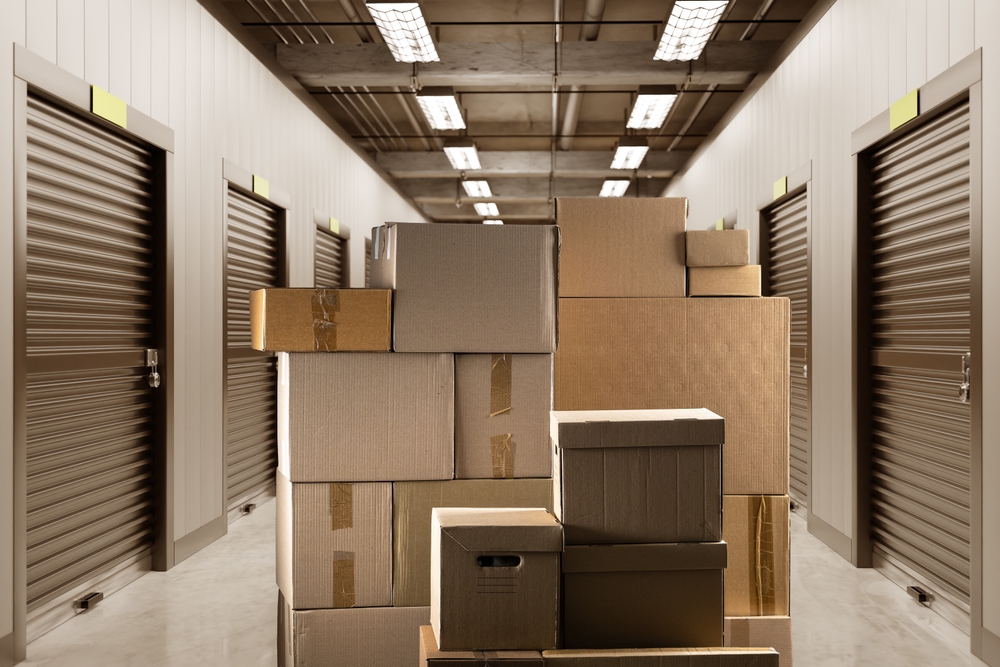
When it comes to renting a storage unit in Largo, Florida, one of the biggest decisions you’ll face is determining what to store and what to leave behind. Whether you’re downsizing, decluttering, or just in need of extra space, having a clear plan for what to pack and store is essential. This guide will help you make the right choices, ensuring that your items are safe, accessible, and stored efficiently.
Why Choose a Storage Unit?
Storage units provide a convenient solution for managing excess belongings, seasonal items, or valuables you don’t use regularly. Especially in a bustling city like Largo, where space can be limited, a storage unit offers the freedom to keep your home organized without sacrificing essential items. Before you begin packing, it’s important to evaluate what makes sense to store in a unit and what you might need to keep at home.
Assessing Your Storage Needs
The first step is to determine your specific storage needs. Take inventory of your belongings and categorize them by frequency of use and sentimental or monetary value. Ask yourself:
- Do I need frequent access to this item?
- Will it be affected by climate conditions such as humidity or heat?
- Is it irreplaceable or of high value?
Items that you use frequently, such as important documents, medication, or seasonal clothing, may not be suitable for long-term storage. On the other hand, items that are valuable or sensitive might need a climate-controlled unit to prevent damage.
What to Pack in Your Largo Storage Unit
Seasonal Clothing and Gear
One of the most common reasons people rent a storage unit is to store off-season clothing and equipment. In Largo, Florida, the climate is warm year-round, which means your winter coats, boots, and snow gear are only useful for a few months, if at all. Storing bulky items like these in your unit can free up valuable closet space at home.
In addition to clothing, consider storing seasonal sports equipment, holiday decorations, and beach gear. These items are typically only used at certain times of the year, making them perfect candidates for storage.
Furniture
If you are in the process of moving, downsizing, or redecorating, extra furniture can take up a lot of space. Large items such as sofas, dining tables, and beds can easily be stored in a storage unit. When storing furniture, make sure to:
- Disassemble larger pieces to save space.
- Use covers or protective padding to prevent dust buildup and scratches.
- Store smaller items like chairs or end tables inside larger ones to maximize space.
Business and Office Supplies
Running a business or working from home often comes with a large amount of paperwork, supplies, or equipment. Storing business items in a unit allows you to free up space in your home office while keeping essential items safe and organized. Ideal items to store include:
- Old files and documents that are rarely accessed but need to be retained.
- Extra office furniture like desks, chairs, or filing cabinets.
- Marketing materials, promotional items, or seasonal display supplies.
Appliances
If you’ve recently upgraded your home appliances but don’t want to sell or dispose of the older ones just yet, a storage unit can be a great solution. Appliances such as refrigerators, washing machines, and microwaves can be stored for future use or resale. Before placing appliances in a unit, ensure they are properly cleaned, dried, and prepared to prevent mold and mildew.
Books, DVDs, and Collectibles
Books, DVDs, and collectibles can quickly accumulate and take over your living space. If you have a collection you want to keep but don’t use daily, a storage unit is an excellent option. When storing these items, make sure they are packed in sturdy, waterproof boxes to prevent damage from humidity.
If you have collectibles like action figures, stamps, or vinyl records, it’s important to store them in a climate-controlled unit to avoid warping or fading due to heat and humidity.
What to Leave Behind
Perishable Items
It’s essential to avoid storing any perishable items in your Largo storage unit. This includes food, plants, or anything that could spoil or attract pests. Storage units are not designed to maintain the ideal conditions for perishable goods, and leaving them there can lead to odors, infestations, and damage to other stored belongings.
Hazardous Materials
For safety reasons, hazardous materials like chemicals, gasoline, propane, or fireworks are not allowed in most storage facilities. These items pose a significant risk to your belongings and to the facility itself. Be sure to properly dispose of or store these items elsewhere in a safe, approved location.
Personal Documents and Valuables
While storage units offer security, they are not the best place for storing important personal documents or highly valuable items. Documents like birth certificates, passports, or wills should be kept in a secure location like a safe deposit box at a bank or a home safe. Similarly, high-value items like expensive jewelry, artwork, or heirlooms are best stored in a more controlled and highly secure environment.
Items You Need Frequently
It may seem obvious, but it’s important to remember not to store items that you’ll need frequently. This includes important documents, current tax records, or items used in your day-to-day life. Storing these in a unit will only lead to frustration when you need quick access to them.
Organizing Your Storage Unit for Easy Access
Once you’ve decided what to pack, it’s crucial to organize your storage unit in a way that allows for easy access to the most important items. Here are a few tips for maximizing your storage space:
- Label all boxes: Clearly label the contents of every box and use an inventory system to keep track of where everything is located.
- Create aisles: If possible, leave small walkways between your belongings to access boxes without needing to move everything around.
- Store frequently used items near the front: Place items that you might need more regularly near the front of the unit, so you can grab them without unpacking everything.
- Use vertical space: Stack items carefully, using shelving if possible, to take advantage of the height of the unit.
Climate-Controlled vs. Standard Storage
Largo’s climate is warm and humid, which can affect certain items in storage. If you’re storing anything sensitive to temperature or humidity, such as wooden furniture, electronics, or antiques, you may want to consider a climate-controlled unit. These units maintain a stable temperature and humidity level, protecting your belongings from mold, mildew, and other environmental damage.
On the other hand, if you’re only storing items like patio furniture, tools, or other durable goods, a standard storage unit may be sufficient.
Conclusion
Deciding what to pack and what to leave when storing your belongings in Largo, Florida, is an essential part of ensuring your items remain safe, accessible, and in good condition. By carefully assessing your needs and organizing your unit efficiently, you can make the most of your storage space while keeping your home clutter-free. Always remember to avoid storing perishable or hazardous items and to prioritize climate-controlled units for sensitive belongings. Whether you’re storing seasonal items, extra furniture, or business supplies, a well-organized storage unit can be a valuable tool in managing your belongings.
Need a Storage Facility in Largo, FL?
We here at Store-It-All by Largo Rental Closets are a family-owned storage facility in Largo, FL. We offer both indoor & outdoor storage options to meet your needs. Our climate-controlled indoor storage units come in various sizes from 16x8x8, 12x8x8, 10x18x18, 8x8x8, 4x6x6, and 4x4x4. Moreover, our outdoor storage spots offer various sizes for cars, boats, RVs, trailers, and more! And, rest assured, our gated facility is secured with surveillance cameras and offers 24/7 access to renters using their personal codes. Feel free to call us or stop by today to check availability!
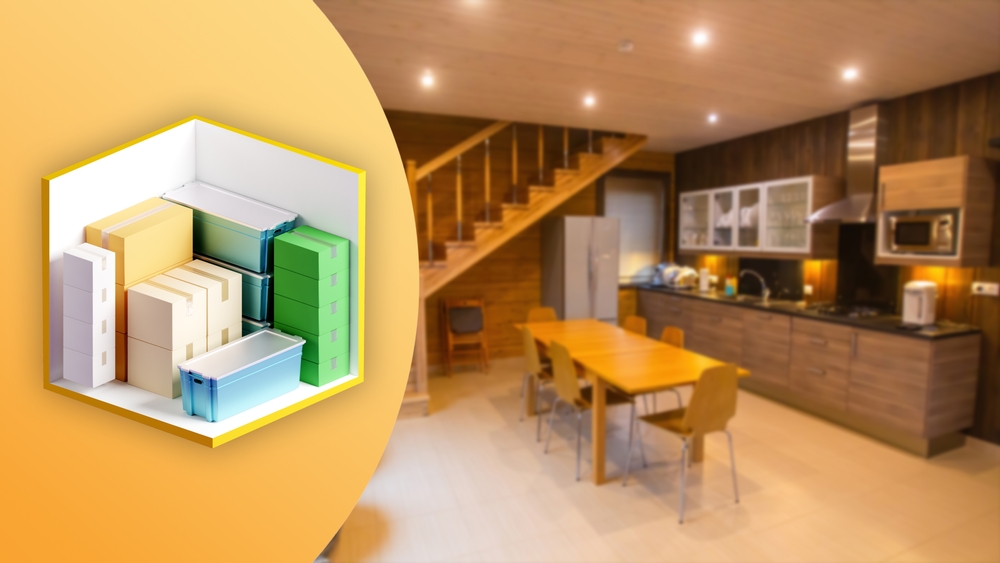
Moving into a new house, especially one as spacious as a 5-bedroom home, is exciting yet daunting when it comes to organizing and storing belongings. From bedrooms to kitchens and living spaces, each area requires careful consideration for storage solutions to maintain functionality and aesthetics. This blog will guide you through estimating and optimizing storage needs in a 5-bedroom house, ensuring every corner is utilized effectively.
Assessing Storage Needs by Room
Bedrooms
The number of bedrooms directly correlates with the amount of storage needed. Each bedroom typically requires:
- Closet space: Assess the size and number of closets in each bedroom. A standard master bedroom might need a larger closet compared to a guest room.
- Additional storage: Consider dressers, wardrobes, and under-bed storage for each bedroom. This varies based on the number of occupants and their storage habits.
Living Room
The living room serves as a central gathering space and often requires storage for:
- Entertainment center: Space for TV, gaming consoles, and media storage.
- Bookshelves: Depending on the household’s reading habits and decor preferences.
- Cabinets: For storing board games, blankets, and other items.
Kitchen
The kitchen is a hub of activity and needs ample storage for:
- Cabinets and pantry: Estimate based on the size of the family and cooking habits.
- Countertop space: Consider the need for appliances and food preparation areas.
Dining Room
The dining room may require storage for:
- China cabinet or buffet: For storing tableware, linens, and serving dishes.
- Bar cart or storage for beverages.
Home Office
With more people working remotely, a home office needs:
- Desk and filing cabinets: For work materials and documents.
- Bookshelves or storage units: Depending on the nature of work and storage needs.
Estimating Total Storage Requirements
To estimate the total storage needs for a 5-bedroom house, consider the following steps:
- Inventory: Take an inventory of all items you own. Categorize them by room (e.g., bedroom, kitchen, living room).
- Storage Types: Determine the type of storage each category requires (e.g., closets, cabinets, shelves).
- Volume Estimation: Estimate the volume of items to be stored. This helps in choosing appropriate storage solutions.
- Maximizing Space: Utilize vertical space with shelves and storage units. Consider under-bed storage and utilizing closet organizers.
Practical Storage Solutions
Bedroom Storage Solutions
- Built-in Closets: Customize closets with shelves, drawers, and hanging rods to maximize space.
- Under-bed Storage: Utilize storage bins or drawers for seasonal clothing and bedding.
- Dressers and Wardrobes: Depending on space and storage needs.
Kitchen Storage Solutions
- Cabinet Organizers: Use shelves, pull-out drawers, and lazy Susans to maximize cabinet space.
- Pantry Organization: Install shelves, hooks, and baskets to organize food items efficiently.
- Appliance Storage: Consider cabinets or shelving units for appliances not used daily.
Living Room and Dining Room Storage Solutions
- Multi-functional Furniture: Choose furniture with built-in storage, such as ottomans with hidden compartments.
- Wall-mounted Shelves: Utilize wall space for decorative and functional storage.
- Modular Furniture: Allows flexibility in arranging and storing items.
Home Office Storage Solutions
- Vertical File Organizers: Keep documents and files organized and accessible.
- Floating Shelves: Display books and decorative items while adding storage.
- Desk Organizers: Use trays and bins for pens, stationery, and small items.
Tips for Effective Organization
- Declutter Regularly: Keep only what is necessary and donate or sell items no longer needed.
- Label Storage: Use labels or clear containers to easily identify contents.
- Utilize Unused Space: Consider unused corners or areas under stairs for additional storage.
Conclusion
Determining how much storage you need for a 5-bedroom house involves thoughtful planning and assessment of each room’s requirements. By taking inventory, estimating volume, and choosing appropriate storage solutions, you can ensure that your new home remains organized and clutter-free. Implementing practical storage solutions tailored to your family’s needs will maximize space and enhance the functionality and aesthetics of your living spaces. Whether it’s optimizing closet space in bedrooms or creating efficient storage solutions in the kitchen and home office, careful planning ensures that every area of your home is utilized effectively.
Need a Storage Facility in Largo, FL?
We here at Store-It-All by Largo Rental Closets are a family-owned storage facility in Largo, FL. We offer both indoor & outdoor storage options to meet your needs. Our climate-controlled indoor storage units come in various sizes from 16x8x8, 12x8x8, 10x18x18, 8x8x8, 4x6x6, and 4x4x4. Moreover, our outdoor storage spots offer various sizes for cars, boats, RVs, trailers, and more! And, rest assured, our gated facility is secured with surveillance cameras and offers 24/7 access to renters using their personal codes. Feel free to call us or stop by today to check availability!

Storage units come in various sizes, each catering to different needs and preferences. Whether you’re moving, downsizing, or simply seeking extra space for your belongings, understanding the dimensions of a storage unit is crucial in making an informed decision. One common size is the 8×16 storage unit, which strikes a balance between space and affordability. Let’s delve into what an 8×16 storage unit entails and how it might suit your storage requirements.
What Does 8×16 Mean?
The dimensions of a storage unit are typically expressed in feet, with the first number representing the width and the second number indicating the length. Therefore, an 8×16 storage unit is 8 feet wide and 16 feet long. To put this into perspective:
- Width (8 feet): This dimension dictates how much space you have to maneuver within the unit. It’s important to consider whether this width allows easy access to your items, especially if you plan to store large furniture or appliances.
- Length (16 feet): The length determines how much linear space is available for storage. It’s crucial for accommodating items that may be lengthy, such as sofas, mattresses, or even long boxes.
Visualizing the Space
Imagine a rectangle with a width of 8 feet and a length of 16 feet. This gives you a total area of 128 square feet (8 x 16 = 128). Visualizing the space can help you gauge how much of your belongings can fit comfortably within the unit.
Capacity
Storage units are three-dimensional spaces, so height (or ceiling height) also plays a role in determining total capacity. Standard storage units typically have ceilings ranging from 8 to 10 feet high. Therefore, an 8×16 unit with a 10-foot ceiling would offer 1,280 cubic feet of storage space (8 x 16 x 10 = 1,280).
Who Should Consider an 8×16 Storage Unit?
Household Storage
- Moving: If you’re in the process of moving and need temporary storage for furniture and boxes, an 8×16 unit can accommodate the contents of a small to medium-sized apartment.
- Renovations: During home renovations, storing furniture and household items in a secure, weatherproof unit can protect them from dust and damage.
Business Storage
- Inventory: Small businesses with excess inventory, seasonal items, or equipment can utilize an 8×16 unit as a cost-effective storage solution.
- Office Supplies: Store documents, files, and office furniture securely without cluttering your workspace.
What Fits Inside an 8×16 Storage Unit?
Furniture
- Bedroom: A queen-sized bed, dresser, and nightstands.
- Living Room: Sofa, coffee table, and entertainment center.
Appliances
- Kitchen: Refrigerator, stove, and microwave.
Boxes and Miscellaneous Items
- 10×10 feet: Approximately 160 standard moving boxes.
- Sports Equipment: Bicycles, golf clubs, and skis.
Tips for Maximizing Space
- Stacking: Utilize vertical space by stacking boxes and lightweight items safely.
- Organization: Label boxes and create aisles for easy access to your belongings.
- Furniture Disassembly: If possible, disassemble large furniture items to save space.
Choosing the Right Storage Facility
When selecting a storage facility for your 8×16 unit, consider the following factors:
- Location: Choose a facility that is conveniently located near your home or workplace.
- Security: Ensure the facility has adequate security measures such as surveillance cameras, gated access, and on-site management.
- Accessibility: Check the facility’s hours of operation and accessibility policies to ensure you can access your belongings when needed.
- Climate Control: Depending on your storage needs, consider whether climate-controlled units are necessary to protect sensitive items from temperature fluctuations and humidity.
Conclusion
An 8×16 storage unit provides ample space for various storage needs, from household items during a move to excess inventory for small businesses. By understanding its dimensions and capacity, you can effectively plan and utilize the space to accommodate your belongings. When choosing a storage facility, prioritize factors such as location, security, and accessibility to ensure a positive storage experience. Whether short-term or long-term, an 8×16 storage unit offers flexibility and convenience for organizing your life’s possessions.
Need a Storage Facility in Largo, FL?
We here at Store-It-All by Largo Rental Closets are a family-owned storage facility in Largo, FL. We offer both indoor & outdoor storage options to meet your needs. Our climate-controlled indoor storage units come in various sizes from 16x8x8, 12x8x8, 10x18x18, 8x8x8, 4x6x6, and 4x4x4. Moreover, our outdoor storage spots offer various sizes for cars, boats, RVs, trailers, and more! And, rest assured, our gated facility is secured with surveillance cameras and offers 24/7 access to renters using their personal codes. Feel free to call us or stop by today to check availability!

Packing a storage unit efficiently requires strategic planning and organization to maximize space and accessibility. Whether you’re storing household items, seasonal decorations, or business inventory, implementing effective packing strategies can help you make the most of your storage space.
Plan Ahead and Declutter
Before packing your storage unit, take the time to declutter and organize your belongings. Sort items into categories and decide what to keep, donate, or discard. This process not only reduces the amount of clutter you need to store but also makes packing and unpacking more manageable. Create a detailed inventory of the items you plan to store and consider their size, shape, and fragility when planning your packing strategy.
Choose the Right Storage Unit
Selecting the right storage unit is essential for maximizing space and accommodating your storage needs. When renting a storage unit in Largo, Florida, consider factors such as size, location, security features, and access hours. Choose a unit size that matches your storage needs without excess space to avoid paying for unused square footage. Additionally, opt for a climate-controlled unit to protect temperature-sensitive items from extreme heat and humidity.
Utilize Vertical Space
Make the most of your storage unit’s vertical space by stacking boxes and containers vertically. Invest in sturdy shelving units or pallets to create multiple levels for storage. Place heavier items at the bottom and lighter items on top to prevent crushing or damage. Utilize wall space for hanging items like bicycles, ladders, or sports equipment using hooks or wall-mounted racks. By maximizing vertical space, you can optimize storage capacity and keep your unit organized and accessible.
Use Uniform Boxes and Containers
When packing items for storage, use uniform boxes and containers to maximize space and facilitate stacking. Opt for sturdy, stackable boxes that are easy to label and handle. Choose clear plastic bins or transparent containers to see the contents at a glance and identify items without opening boxes. Pack similar items together and label each box with its contents and location within the storage unit. This labeling system helps you quickly locate specific items and maintain organization over time.
Create Aisle Ways and Pathways
Maintain accessibility and ease of navigation within your storage unit by creating clear aisle ways and pathways. Leave enough space between boxes and furniture to walk comfortably and access items stored at the back of the unit. Arrange furniture and larger items along the perimeter of the unit to create open pathways in the center. Consider using furniture sliders or casters to easily move bulky items and create flexible storage configurations as needed.
Protect Fragile Items
Ensure the safety of fragile items during storage by packing them carefully and providing adequate protection. Wrap delicate items like glassware, ceramics, and electronics in bubble wrap or packing paper to prevent breakage. Use sturdy boxes and padding materials like packing peanuts or foam inserts to cushion fragile items and minimize movement during transit. Store fragile items on shelves or in designated areas away from heavy or bulky items to reduce the risk of damage.
Maintain Accessibility
Maintaining accessibility is key to effective storage unit organization. Store frequently accessed items towards the front of the unit and less frequently used items towards the back. Leave space near the entrance for loading and unloading items and create clear pathways to navigate through the unit. Consider installing temporary shelving or modular storage systems that can be easily adjusted to accommodate changing storage needs. Regularly reassess and reorganize your storage unit to optimize space and accessibility over time.
Summary
Packing a storage unit requires careful planning, organization, and strategic packing strategies. By following these tips, you can make the most of your storage space and fit it all into your storage unit with ease. Plan ahead, declutter, choose the right storage unit, utilize vertical space, use uniform boxes, create aisle ways, protect fragile items, and maintain accessibility to ensure a well-organized and efficient storage experience. With proper packing techniques and thoughtful organization, you can store your belongings safely and access them with ease whenever needed.
Need a Storage Facility in Largo, FL?
Looking for the best long-term storage solution for your boat or RV in Largo, Florida? Our storage facility at Store-It-All offers the ideal environment to protect your investment. We provide covered and uncovered storage options to shield your recreational vehicle from the elements, ensuring it stays in top shape. Moreover, our facility is equipped with advanced security measures to safeguard against theft and vandalism, giving you peace of mind. Contact us today to discuss your storage needs and ensure your boat or RV is ready for your next adventure!