
Staging & Storage Strategies for Selling Your Largo Home Faster in a Competitive Market
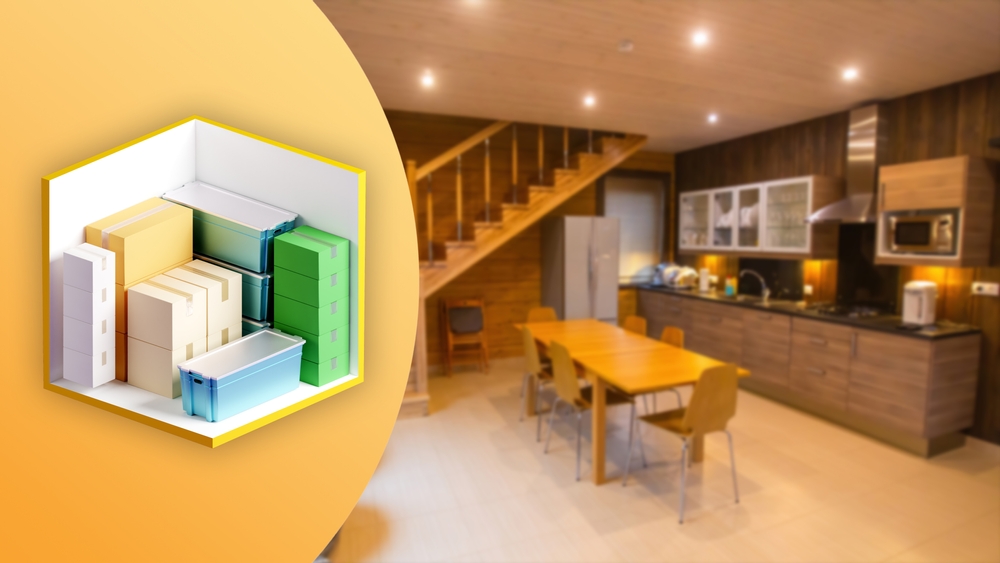
Selling a home around Largo often means competing with properties that give buyers plenty of choices in similar price ranges and neighborhoods. A crowded garage, packed closets, or oversized furniture can make an otherwise appealing home feel smaller than it really is.
Strategic staging and temporary storage can help sellers create cleaner rooms, more visible storage space, and a home that is easier for prospective buyers to imagine as their own.
Quick answer: The best staging and storage strategy for selling a Largo home is to remove belongings that make rooms, closets, garages, and outdoor spaces feel crowded while keeping enough furniture and decor to show how each space can be used. Start with excess furniture, seasonal belongings, personal collections, garage overflow, and rarely used household items. Moving these belongings into temporary storage before listing can make both listing photos and in-person showings feel more spacious.
What Largo sellers should know
-
Buyers need to see usable space, so packed closets and garages can work against an otherwise well-presented home.
-
Homes throughout Pinellas County may need storage plans that account for Florida’s heat, humidity, heavy rain, and hurricane season.
-
Areas such as East Bay, Old Northwest, and the neighborhoods around West Bay Drive include different home sizes and layouts, so staging should be based on the individual property rather than a single formula.
-
Removing possessions is usually more effective than simply reorganizing everything inside the home.
-
Sellers should decide what will move with them, what can be donated or discarded, and what needs temporary storage before staging begins.
Why Does Staging Matter When Selling a Home in Largo?
Staging matters in Largo because buyers are comparing your property with other available homes, and a clean, spacious presentation can make it easier for them to understand the home’s layout and potential. Clutter can visually shrink rooms and distract attention from features buyers actually came to evaluate.
Current market data reinforce the value of careful presentation. Realtor.com characterized Largo as a balanced housing market in August 2026, while Redfin described the local market as somewhat competitive. These classifications can differ because the companies use different methodologies, but both point to a market where sellers should not assume buyers have limited choices.
That makes preparation especially useful before photography and showings.
A house near Largo Central Park may have a very different layout from a condo near East Bay or an established property closer to Clearwater-Largo Road. Regardless of property type, buyers benefit from seeing clear walking paths, defined rooms, uncluttered surfaces, and storage areas that do not appear overloaded.
What Should Largo Homeowners Put Into Storage Before Listing?
Largo homeowners should first store anything they do not expect to use during the selling process, especially belongings that crowd floors, closets, cabinets, garages, and major living spaces. The goal is not to empty the house completely but to keep enough furnishings to demonstrate function without overwhelming the available space.
Store It All By Largo Rental Closets can support sellers who need temporary space outside the home while preparing for listing, photography, showings, and the eventual move. From this point forward, we recommend beginning with the items that create the greatest visual clutter.
Common candidates include:
-
Extra chairs and occasional tables
-
Bulky furniture that narrows walkways
-
Seasonal decorations
-
Collectibles and large personal displays
-
Extra kitchen appliances
-
Excess clothing and linens
-
Boxes stored in bedroom closets
-
Sports and recreational equipment
-
Garage overflow
-
Items already packed for the upcoming move
Removing these belongings can accomplish two jobs at once. It prepares the property for buyers while getting part of the eventual move underway.
How Much Should You Remove From Closets?
You should remove enough from closets that buyers can clearly see shelves, hanging space, and the overall dimensions instead of seeing storage packed from wall to wall. A closet that technically holds a large amount of property can still appear inadequate if every shelf and hanger is full.
This is particularly important in smaller homes, condos, villas, and properties where buyers may already be wondering whether storage will meet their needs.
Start with off-season clothing, spare linens, luggage, rarely used shoes, holiday supplies, and boxes stored on closet floors. Keep everyday necessities organized and leave some visible open space.
The same idea applies to bathroom cabinets, kitchen pantries, laundry areas, and built-in shelving.
Should You Clear Out the Garage Before Selling?
You should clear significant clutter from the garage before selling because buyers often evaluate garages for parking, tools, bicycles, hurricane supplies, and general household storage. If boxes occupy most of the floor, buyers cannot easily determine how functional the space would be for their own belongings.
Garages can become overflow storage quickly in Pinellas County, particularly when a home does not have a basement or extensive interior storage.
Move out items you will not use before relocation, including excess shelving contents, packed moving boxes, unused furniture, recreational gear, and duplicate household supplies.
Keep essential storm-preparation items accessible while the home is occupied. Pinellas County notes that Atlantic hurricane season runs from June 1 through November 30, so sellers listing during this period should not pack away supplies they could need during an emergency.
What Local Conditions Should You Consider When Storing Belongings?
Local storage planning should account for the Tampa Bay area’s warm, humid environment and the possibility of severe weather during the selling and moving process. Sensitive belongings deserve more consideration than ordinary boxes of durable household goods.
Before storing furniture, electronics, photographs, documents, artwork, fabrics, or other sensitive possessions, consider the conditions those belongings require. Ask questions about the storage option you are considering rather than assuming every space provides the same environment or protection.
Avoid packing anything while it is damp. Use sturdy containers when appropriate, label boxes clearly, and keep belongings you may need during the listing period easy to reach.
Sellers moving during storm season should also monitor official Pinellas County emergency information and understand their home’s evacuation zone and flood-related risks. Pinellas County advises residents to know their risk, make a plan, and stay informed during hurricane season.
What Are the Biggest Warning Signs That Your Home Needs Decluttering?
Your home probably needs additional decluttering when buyers would have difficulty seeing room dimensions, storage capacity, or the intended purpose of a space. Sellers become accustomed to their own possessions, so it can help to look at each room as though you were seeing it in listing photographs for the first time.
Watch for these warning signs:
-
Furniture blocks windows or natural walking paths.
-
Closet floors cannot be seen.
-
Kitchen counters are covered with appliances or household items.
-
Bathroom counters contain numerous personal products.
-
Spare rooms serve primarily as box storage.
-
Garage parking spaces are occupied by stored belongings.
-
Bookshelves and display areas appear visually crowded.
-
Buyers would have difficulty identifying the purpose of a room.
If several of these apply, moving items off-site may be more effective than repeatedly shifting clutter from one room to another.
What Staging Mistakes Should Largo Sellers Avoid?
Largo sellers should avoid staging mistakes that simply hide clutter instead of creating genuinely usable, attractive space. Buyers commonly look inside closets and storage areas, so relocating everything from the living room into a bedroom closet rarely solves the underlying presentation problem.
Mistake: Filling the garage with everything removed from the house.
Consequence: The interior looks better, but buyers may now question whether the garage offers enough usable space.
Better approach: Move items you will not need during the sale into temporary storage.
Mistake: Removing nearly every piece of furniture.
Consequence: Some buyers may find it harder to judge room scale or understand how an unusual space functions.
Better approach: Keep a small amount of appropriately sized furniture where it helps define the room.
Mistake: Packing emergency supplies too early.
Consequence: Sellers listing during Florida’s hurricane season may lose easy access to important household supplies.
Better approach: Separate moving inventory from items that should remain accessible until you leave the property.
Mistake: Overdecorating with a coastal theme.
Consequence: A heavily themed home can distract buyers from the actual property.
Better approach: Use simple, restrained decor and allow the home’s features to remain the focus.
What Is a Practical Staging Timeline Before Listing?
A practical staging timeline starts with sorting and storage before cleaning, photography, and showings because every later step becomes easier once excess belongings are out of the way. Beginning early also reduces the temptation to hide clutter at the last minute.
A useful sequence is:
-
Decide what will move, be donated, be discarded, or be stored.
-
Remove unnecessary furniture and household overflow.
-
Thin out closets, cabinets, the pantry, and garage.
-
Complete minor cleaning and touch-ups.
-
Arrange remaining furniture for comfortable movement.
-
Prepare the home for listing photographs.
-
Maintain the simplified setup throughout showings.
For homeowners balancing work, family responsibilities, and a future move, completing the sorting stage before the property goes live can make the showing period considerably easier.
What Does a Common Largo Staging Scenario Look Like?
A common Largo staging scenario involves a homeowner who has accumulated enough belongings that a spare bedroom, garage, or several closets are functioning as overflow storage. This is a representative local scenario, not a specific customer case study.
Imagine a seller near Walsingham Road preparing a three-bedroom home for photographs. The third bedroom contains packed boxes, an unused desk, holiday decorations, and exercise equipment. The garage contains additional boxes that cannot simply absorb everything from the bedroom.
Instead of moving the clutter elsewhere inside the property, the seller identifies everything that will not be needed before moving day and places those belongings in temporary storage.
The bedroom can then be presented according to its intended function, while the garage remains easy for buyers to evaluate.
How Can Temporary Storage Support Home Staging?
Temporary storage supports home staging by giving sellers somewhere outside the property to keep belongings they want to retain but do not need during the listing period. This prevents the common problem of moving clutter from one visible area to another.
Storage can be especially useful for sellers who are:
-
Downsizing
-
Moving before the sale closes
-
Combining households
-
Preparing an inherited property
-
Selling while still living in the home
-
Renovating or repairing before listing
-
Packing gradually rather than all at once
We recommend organizing stored belongings by category and keeping anything that may be needed before closing accessible rather than buried at the back.
Is DIY Decluttering or Temporary Storage the Better Option?
DIY decluttering works when the home has enough unused space, while temporary storage can make more sense when keeping packed belongings on the property would simply create clutter somewhere else. Many sellers benefit from combining the two approaches.
Donate or discard items you no longer want. Pack possessions that will move with you. Keep everyday necessities in the house. Consider off-site storage for belongings you want to keep but do not need until after the sale.
For a seller with only a few extra boxes, storage may be unnecessary. For someone with furniture, garage overflow, seasonal belongings, or much of the next move already packed, keeping everything inside the house may undermine staging efforts.
Which Areas Do These Staging Strategies Apply To?
These staging and storage strategies apply throughout Largo and surrounding Pinellas County communities where sellers want buyers to see the property rather than the belongings inside it. That includes homes around East Bay, Old Northwest, West Bay Drive, Walsingham Road, and other Largo neighborhoods.
The same principles can also help sellers in nearby Clearwater, Belleair, Belleair Bluffs, and Seminole, although each property should be prepared according to its individual layout and target buyer.
What Can Happen If You Skip Decluttering Before Listing?
Skipping decluttering can make rooms appear tighter, conceal useful storage, weaken listing photographs, and distract buyers from features that could otherwise help your property stand out. The cost is not necessarily a specific number of days or dollars, because selling outcomes depend on pricing, condition, location, demand, and numerous other factors.
The practical risk is simpler. A buyer may leave a showing remembering the crowded garage or small-looking bedroom rather than the property’s strongest qualities.
Preparing before photography also matters because listing images often create a buyer’s first impression of the home.
Frequently Asked Questions About Staging and Storage in Largo
Should I put furniture in storage before selling my Largo home?
Yes, storing some furniture can help if oversized or unnecessary pieces make your Largo home feel crowded. Keep enough furniture to communicate each room’s function while removing pieces that block walkways, windows, doors, or useful floor space. The right amount depends on the home’s size and layout.
Should Largo sellers empty their closets completely?
No, Largo sellers usually do not need completely empty closets because buyers expect someone living in the home to have belongings. Instead, reduce the contents enough that shelves, hanging areas, and floor space are visible. The objective is to demonstrate usable storage without making the closet appear artificially empty.
Is the garage important when staging a home in Pinellas County?
Yes, the garage can be an important part of a Pinellas County buyer’s evaluation because it may need to accommodate vehicles, household storage, recreational equipment, tools, and storm supplies. Removing excess boxes and unused belongings lets prospective buyers understand how much usable garage space the property actually provides.
When should I start decluttering before listing my Largo house?
Start decluttering several weeks before your planned listing whenever your moving schedule allows rather than waiting until photography is imminent. Begin with belongings you rarely use and gradually work toward closets, furniture, the garage, and personal decor. Starting earlier also lets you pack thoughtfully instead of creating rushed piles of boxes.
What should stay accessible during hurricane season in Largo?
Emergency supplies and important documents should remain accessible when selling a Largo home during hurricane season. Pinellas County identifies June 1 through November 30 as hurricane season and encourages residents to know their risks and maintain a preparedness plan. Avoid burying items you could need quickly underneath packed moving belongings.
Can temporary storage help when downsizing in Largo?
Yes, temporary storage can give Largo homeowners additional time to decide where belongings will go when moving into a smaller property. Instead of making every keep-or-discard decision before listing, sellers can remove possessions that interfere with staging while sorting certain belongings later as part of the broader move.
Should I store personal photographs before a Largo home showing?
You do not need to remove every personal photograph, but reducing highly personal displays can simplify a room and keep attention on the property. Large collections of photographs, memorabilia, trophies, and decorative objects are often good candidates for early packing because they usually will not be needed before moving.
Does Largo’s current housing market make staging worthwhile?
Yes, thoughtful presentation remains worthwhile because current market sources indicate that Largo buyers have meaningful choices among available properties. Realtor.com classified the city as balanced in August 2026, while Redfin described it as somewhat competitive. Good staging cannot guarantee a faster sale, but it can help buyers evaluate the home without unnecessary visual distractions.
Create More Space Before Largo Buyers Walk Through the Door
Selling a home is easier to manage when staging, packing, and storage are treated as parts of the same process. Removing what you do not need now can create clearer rooms for buyers today while getting you one step closer to your eventual move.
Give Your Largo Home Room to Make a Strong First Impression
We can help you create temporary space for belongings that need to leave the house before photography, showings, and moving day.