
Protecting Your Vehicle During Florida’s Heat and Storm Season
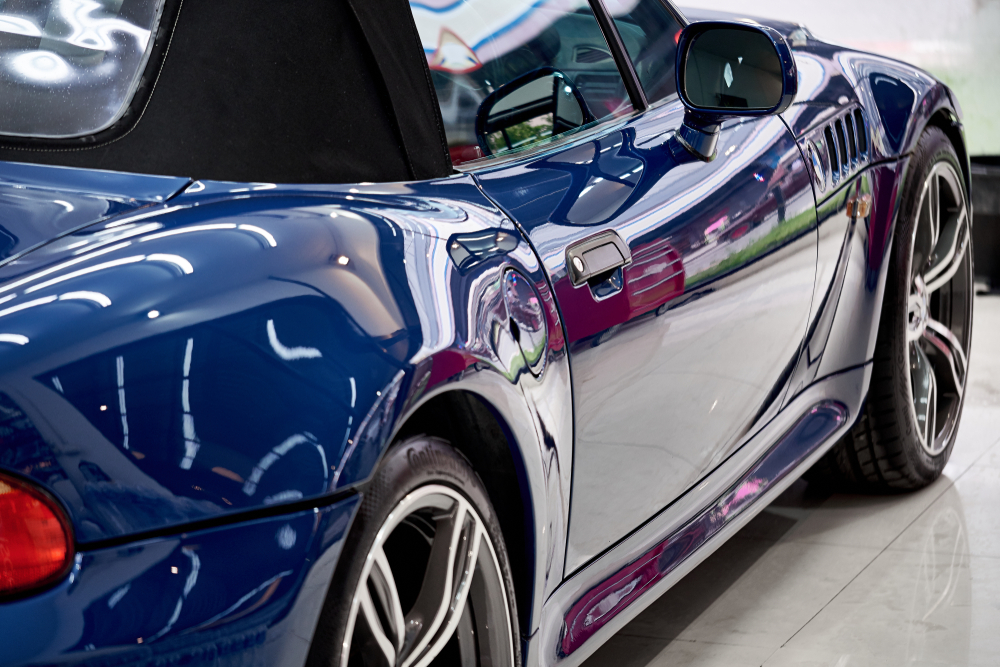
Florida’s unique climate presents distinct challenges for vehicle owners. The combination of intense heat, humidity, and severe weather patterns can cause significant damage to cars, trucks, and other vehicles. Whether you own a vehicle in Miami, Tampa, Jacksonville, or anywhere else across FL, understanding how to protect your car during these months is essential for maintaining its value and performance. This comprehensive guide covers Florida vehicle storage tips and strategies to protect car from sun damage while preparing for storm season vehicle storage.
Understanding Florida’s Climate Threats
Florida’s climate is characterized by extreme heat and unpredictable weather events that can severely impact your vehicle. The state experiences temperatures that regularly exceed 90 degrees Fahrenheit during summer months, with humidity levels that make conditions feel even hotter. Beyond the heat, Florida residents must contend with hurricane season from June through November, which brings heavy rain, strong winds, and potential flooding to many areas.
These environmental factors work together to create a perfect storm of damage potential for vehicles. UV rays penetrate the clear coat on your vehicle’s paint, causing oxidation and fading over time. High temperatures can warp plastic components, fade upholstery, and damage the rubber seals around doors and windows. The intense heat also accelerates the breakdown of your vehicle’s fluids, including coolant and transmission fluid. Humidity promotes rust development, especially in areas where salt spray from coastal regions is prevalent. Storm season introduces additional risks including wind damage, hail, falling debris from trees and structures, and flooding that can compromise your vehicle’s electrical systems and engine.
Choosing the Right Storage Solution
Selecting appropriate storage for your vehicle is the first and most important step in protecting it from Florida’s harsh climate. The ideal storage solution depends on your budget, the value of your vehicle, and the frequency with which you need to access it.
An enclosed garage remains the best option for vehicle protection. If you have access to a garage at home, use it to shield your car from direct sunlight, rain, and wind. Ensure the garage has proper ventilation to prevent moisture buildup that can lead to mold and rust. If you do not have a home garage, consider renting a climate-controlled storage unit. These facilities maintain consistent temperature and humidity levels, providing superior protection compared to outdoor storage. Climate-controlled units are especially worthwhile if you are storing a valuable classic car, luxury vehicle, or a car you plan to leave unused for extended periods.
Carports offer an intermediate solution between no protection and full garage storage. A carport shields your vehicle from direct sunlight and provides some protection from rain and debris. While not as effective as a fully enclosed garage, a carport is significantly better than leaving your vehicle exposed to the elements. If neither a garage nor carport is available, consider investing in a high-quality car cover designed for outdoor use. Look for covers made from multi-layer, breathable material that prevents moisture accumulation while protecting against UV rays and debris.
Protecting Your Vehicle’s Exterior
The exterior of your vehicle faces constant assault from Florida’s sun and weather. Taking preventive measures can significantly extend the life of your paint, trim, and other external components. Start by applying a quality wax or ceramic coating to your vehicle’s paint. These protective layers create a barrier against UV rays, salt spray, and oxidation. Ceramic coatings offer longer-lasting protection than traditional wax and may provide protection for six months to two years depending on the product quality and environmental conditions.
Regular washing is essential but often overlooked. Wash your vehicle every two weeks during summer months, and more frequently if you live near the coast where salt spray accelerates corrosion. Use a pH-balanced car wash soap rather than household detergent, which can strip protective coatings from your paint. Pay special attention to the undercarriage, where salt and debris accumulate.
Check your vehicle’s rubber seals around doors and windows regularly. These seals prevent water from entering your vehicle during heavy rains and storms. UV exposure and heat cause rubber to crack and harden over time. Apply a rubber conditioner specifically designed for automotive use to keep these seals flexible and effective. If you notice cracks or gaps in seals, have them replaced before storm season arrives.
Protect your windows and lights from debris damage by applying protective film to headlights and windshields. These transparent films are nearly invisible but provide a barrier against scratches, cracks, and impact damage. Consider installing storm shutters or protective coverings designed for vehicles if you live in an area that experiences frequent severe weather.
Maintaining Fluid Levels and Systems
Florida’s extreme heat accelerates the breakdown of your vehicle’s fluid systems. Check your coolant level frequently, as overheating is a common problem in Florida’s summer heat. Ensure your cooling system is functioning properly by having it inspected before summer begins. If your coolant appears dark or contaminated, flush the system and replace it with fresh coolant.
Your battery is also vulnerable to heat damage. High temperatures cause battery fluid to evaporate and can lead to internal corrosion and reduced battery life. Check your battery terminals for corrosion and keep them clean. Have your battery tested before summer to ensure it can handle the additional stress of running air conditioning continuously.
Oil viscosity changes with temperature, so use oil with the correct viscosity rating for Florida’s heat. Check your owner’s manual for recommendations, and consider switching to a higher viscosity oil during summer months if appropriate for your vehicle. Transmission fluid and brake fluid also break down more quickly in extreme heat, so have these systems inspected regularly.
Your air conditioning system works overtime in Florida. Have your AC system serviced before summer arrives to ensure it is working efficiently. A properly functioning AC system not only keeps you comfortable but also reduces strain on your engine.
Preparing for Storm Season
Storm season preparation requires specific storage and maintenance strategies. Before hurricane season officially begins in June, secure any outdoor storage areas and remove loose items from your vehicle’s surroundings. Fallen branches and debris become dangerous projectiles in high winds, so trim trees near your parking areas.
If you must leave your vehicle outside during a storm, park it away from tall trees, power lines, and structures that could collapse or shed debris. Never park in areas prone to flooding, even if the water appears shallow. Just a few feet of water can destroy your vehicle’s engine and electrical systems. If you have advance warning of severe weather, park your vehicle in a garage or covered structure rather than outside.
Keep your vehicle’s fuel tank at least half full during storm season. This prevents fuel tank implosion if your vehicle is exposed to significant pressure changes or water immersion. Additionally, a fuller tank provides more weight to help anchor your vehicle against high winds.
Document your vehicle’s condition with photographs before storm season. This documentation is valuable for insurance claims if your vehicle sustains damage. Keep photos of the vehicle’s exterior, interior, dashboard, and current mileage in a safe location separate from your vehicle.
Maintenance Schedule for Heat Protection
Establish a regular maintenance schedule specifically designed for Florida’s climate. Check your tire pressure monthly, as heat causes tire pressure to increase. Underinflated or overinflated tires reduce fuel efficiency and can lead to blowouts. Rotate your tires every 5,000 miles to ensure even wear, which is especially important given the constant heat stress.
Inspect your belts and hoses every three months. Heat causes rubber components to deteriorate faster, and a failed belt or hose can leave you stranded. Look for cracks, fraying, or soft spots in these components. Have your suspension system inspected regularly as well, since heat can affect lubricants in suspension joints and bushings.
Schedule professional detailing services before the hottest months arrive. Professional detailing protects your paint better than standard washing and can identify potential problems before they become serious.
Conclusion
Protecting your vehicle during Florida’s heat and storm season requires a multi-faceted approach combining proper storage, regular maintenance, and preventive care. By implementing the Florida vehicle storage tips outlined in this guide, you can significantly reduce the risk of heat and weather-related damage to your vehicle. Invest in appropriate storage solutions, maintain your vehicle’s exterior and fluid systems, and prepare specifically for storm season. The cost of these preventive measures is minimal compared to the expense of repairing or replacing a vehicle damaged by heat, UV exposure, humidity, or severe weather. Whether you drive a daily commuter or own a valuable classic car, the strategies discussed here will help protect car from sun damage and maintain your vehicle’s condition through FL’s challenging climate. Take action today to safeguard your automotive investment for years to come.
Need a Storage Facility in Largo, FL?
We here at Store-It-All by Largo Rental Closets are a family-owned storage facility in Largo, FL. We offer both indoor & outdoor storage options to meet your needs. Our climate-controlled indoor storage units come in various sizes from 16x8x8, 12x8x8, 10x18x18, 8x8x8, 4x6x6, and 4x4x4. Moreover, our outdoor storage spots offer various sizes for cars, boats, RVs, trailers, and more! And, rest assured, our gated facility is secured with surveillance cameras and offers 24/7 access to renters using their personal codes. Feel free to call us or stop by today to check availability!